Build 42 Foraging — Production Materials, Biomes, and Weather Windows
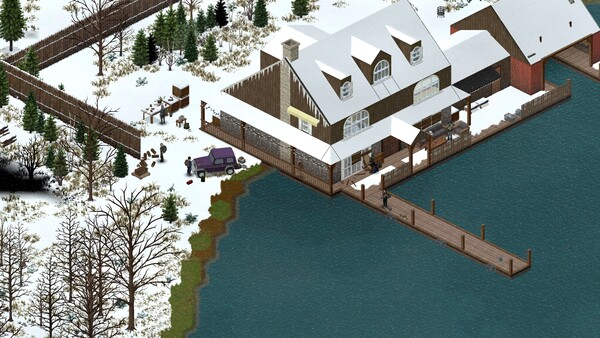
In Build 41 foraging found you dinner. In Build 42 it feeds your industry: clay for pottery and furnaces, flint for knapping, dogbane for rope and cloth, limestone for steel. The skill (ID PlantScavenging) raises find quality, unlocks search categories, and grows your search radius — and the new biome system decides where each material shows up. Facts from PZwiki's Foraging page and the material item pages (42.18-era stamps), plus official Build 42 feature notes. Checked 2026-08-04.
Search mode: the rules that matter
- Radius: 3–10 tiles base, each skill level adds +0.7 tiles (15 with bonuses). Darkness can crush the minimum to 1.5 tiles; light sources negate the darkness penalty entirely, and an umbrella cuts the rain penalty by 90%.
- Speed while searching: aim +33%, sneak +10%, walk normal, sprint kills search mode.
- Face coverage blinds you: head+face+eyes fully covered is −75% radius (capped −95%). Masks protect against corpse sickness but cost perception — take them off for serious foraging.
- XP: gained each time an item is found; entertainment (TV/VHS) helps only the first 3 levels — Exposure Survival broadcasts and VHS tapes E5/E7 carry fixed bonuses.
- Berries and mushrooms can be poisoned: risk falls by 5% per foraging level, and Bushcrafter/Herbalist knowledge detects poison outright.
Search Focus unlocks by level: Firewood & Stones at 0, Berries/Mushrooms at 3, Insects/Wild Herbs/Wild Plants/Trash at 4, Animals/Crops at 5, Medicinal Plants at 6, Fruits at 7. Focus biases drops toward one category — rotate focuses by need.
The production materials
| Material | How you get it | Feeds |
|---|---|---|
| Clay | Forage in clumps of 2–4 (level 0; +30% in rain, −50% in snow, all year) or dig riverside deposits with an empty sack + shovel (1 sack = 8 clay) | Pottery, masonry cement, kilns, primitive furnace, blacksmith anvil molds |
| Flint nodules | Forage raw or harvest stone-like mineral deposits | Knapping → flakes, blades, stone tools, flint saws |
| Hemp dogbane | Foraging | Rope, twine, burlap (loom) → tailoring and building |
| Limestone | Foraging (stone tag) | Steel flux at the advanced furnace; kiln firing |
| Stones / chipped stone | Foraging level 0 | Crafted spears, stone tools, masonry |
Note for returning players: the old single "Flint" camping item was removed in B42 — the knapping chain runs on flint nodules and sharp flint flakes now.
Where each chain leads
- Clay is the busiest material in the game: pottery containers (bowls, mugs, plates, pots, jars at Pottery 5), crucibles (Pottery 1 — the blacksmithing bottleneck), hand-press molds including the blacksmith anvil mold (clay ×8), the glass blowing pipe (Pottery 2), clay cement (clay ×2 + 10 L water + sand or 50 grass cuttings/hay), and both kilns (clay ×20 each).
- Limestone is your ticket to steel: advanced-furnace recipes convert iron to steel using coke + limestone (e.g., 6 coke + 6 limestone per steel bar, 18+18 per ingot). Kilns can also fire limestone.
- Dogbane/hemp closes the fiber loop: two dogbane (or scutched hemp) plus a rod/branch/handle and a cutting tool twist into rope; the same fiber makes twine, and a loom weaves burlap.
Biomes and zones
B42's foraging tables use finer biomes than B41's — clay, for instance, favors Birch Forest, Primary Forest, Acidic Forest, Organic Forest, Deep Forest, and Farmland over urban spots. Zone weights that shape your routes:
| Zone | Signature finds |
|---|---|
| Deep Forest | Firewood (weight 150), medicinal plants in/after rain |
| Forest | Berries 30, mushrooms 30 |
| Farm Land | Crops 25 |
| Trailer Park / Town | Trash 40 — yes, trash is a focus category |
| Streets and Parking | Stones 120 (vs 30 elsewhere) |
Items spawn on matching features — trash on trash piles, stones on cracked road sections — so look at the ground, not just the zone.
Weather and season windows
| Condition | Effect |
|---|---|
| Rain | Mushrooms +35, medicinal/wild plants +50, worms +100, clay +30% |
| After rain | Mushrooms +50, medicinal/wild plants +25, fishing bait +50 |
| Night | Mushrooms +20, medicinal plants +100, insects +200 |
| Snow | Stones −50, berries −10, plants −50, worms −100 |
| Winter (Dec–Feb) | Most berries, mushrooms, insects, eggs, and animals are unfindable — firewood stays (+50% in fall) |
Wintergreen exceptions: Beautyberry, Holly, and Winterberry run September through March. The sandbox "Nature's Abundance" setting scales zone density from −75% (Very Poor) to +100% (Very Abundant).
Building the forager
Best traits for the role (radius modifiers): Eagle Eyed +1.0, Former Scout/Hiker +0.7, Hunter/Outdoorsy +0.4–0.5, Cat's Eyes +0.4 with darkness help; Bushcrafter adds herbs, poison detection, and poultices (costs). Keep your head and face uncovered while searching, carry a light source for night runs, and forage on a hungry stomach — hunger boosts food-category finds up to +50%, while panic and stress can cut your radius by 95%.
Verified on 42.20 · Last checked 2026-08-04
Radius rules, focus unlocks, weather/season modifiers, and zone weights come from PZwiki's Foraging page (42.18.0 stamp); material chains from the Clay, Flint, Hemp Dogbane, and Limestone item pages; biome granularity from the B42 clay foraging table. Omitted because unverifiable: exact per-find XP values, dogbane's per-biome table (collapsed on the page), and whether clay deposits respawn specifically after rain — treat that last claim as community-reported.
More Guides
![Project Zomboid Build 42 Corpse Sickness Guide — Miasma, Masks & Cures [2026]](/img/pz/ss-1.jpg)
![Project Zomboid Build 42 First Week Survival Guide [2026]](/img/pz/ss-0.jpg)
![Project Zomboid Build 42 Animals Guide — Livestock, Milk, Eggs, Breeding [2026]](/img/pz/ss-3.jpg)
![Project Zomboid Build 42 Basements & Bunkers Guide — Underground Loot [2026]](/img/pz/ss-4.jpg)
![Project Zomboid Build 42 Error Fixes — Unexpected Error, Crashes, Corrupt Saves [2026]](/img/pz/ss-5.jpg)